


L-Carnitine: Fat Metabolism, Performance and Reality
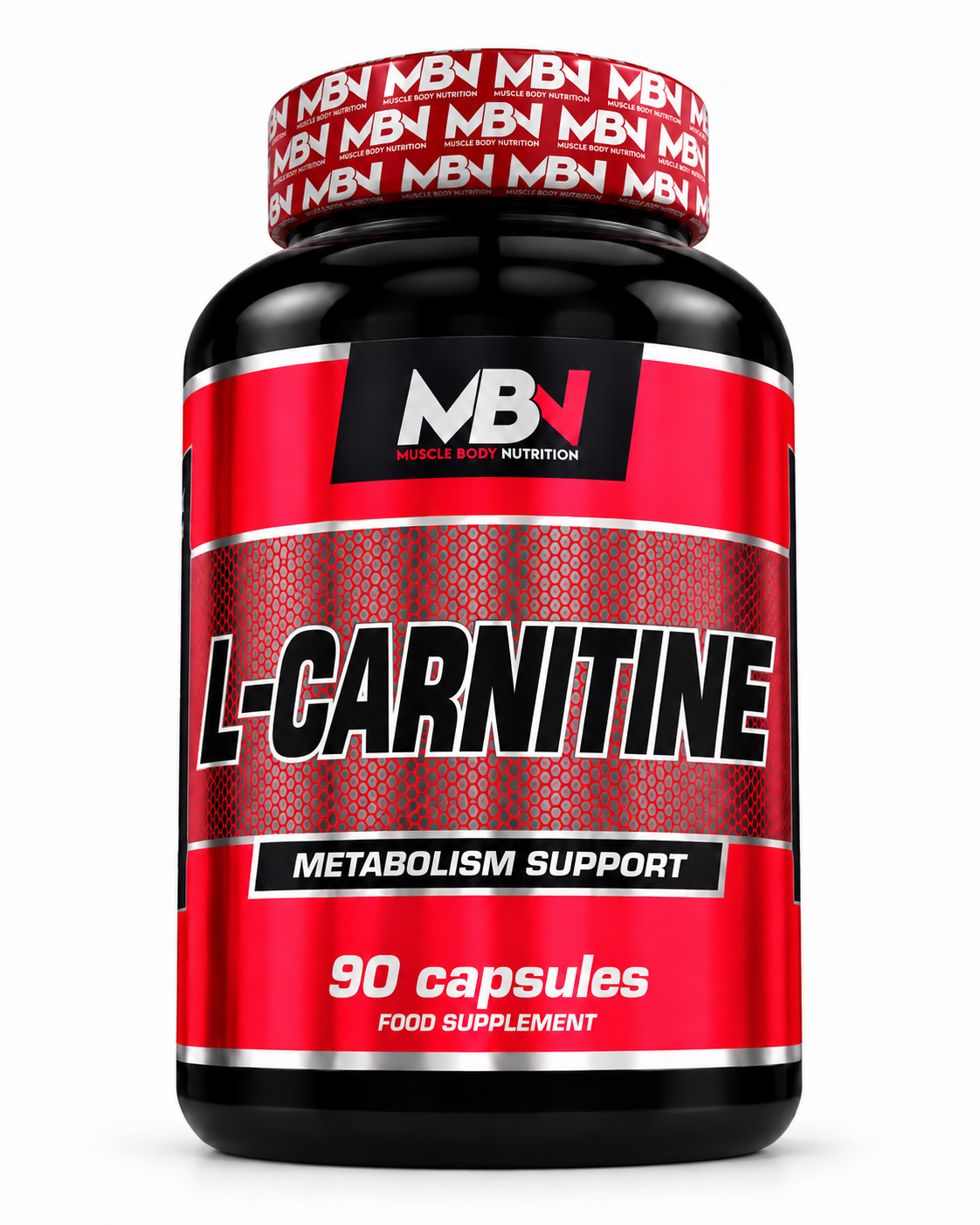
Carnitine helps transport long-chain fatty acids into mitochondria, where they can be used for energy. The body can synthesize carnitine, and it is also found in animal foods.
What the evidence suggests
Despite its role in fat metabolism, L-carnitine supplementation has not consistently produced meaningful fat loss in healthy active adults. Some forms have been studied for recovery or in people with low carnitine status, but results depend on context.
How to use it in practice
Treat L-carnitine as an optional supplement, not a fat-loss foundation. Calorie balance, protein, activity, sleep and training have a much larger effect on body composition.
What to check on the label
- Check the form of carnitine and the actual amount supplied.
- Do not judge a liquid or capsule product only by total product weight.
- Be skeptical of claims promising rapid fat burning without dietary change.
Safety and context
It can cause gastrointestinal upset in some users. People with medical conditions or medication use should seek individualized advice.
This article is educational and is not a substitute for individual medical advice.